In short: For internal team talk, short and fast exchanges and debated topics, team chat is more efficient. For formal correspondence with outsiders, record-based decisions and sending documents, email is still more suitable. Using the two as complements rather than substitutes gives most teams the best result.
What problem does each tool solve?
Email: Everyone has an address, you can reach anyone, the correspondence is a formal record and it leaves a company easily. Its weakness is being heavy for a quick discussion and threads quickly becoming impossible to follow.
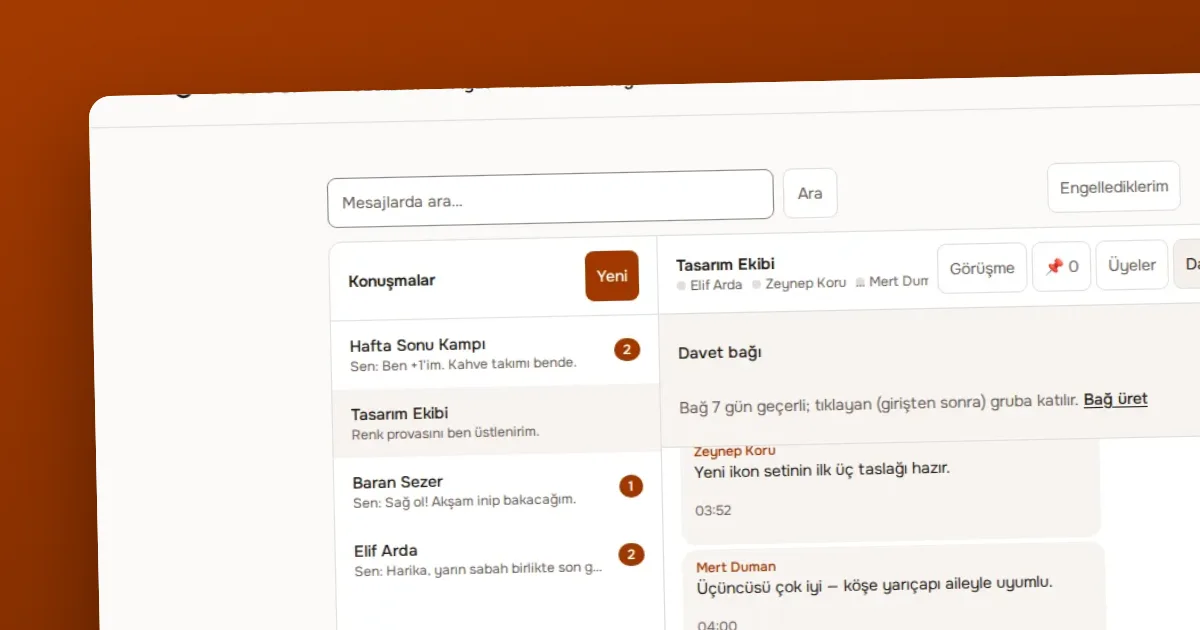
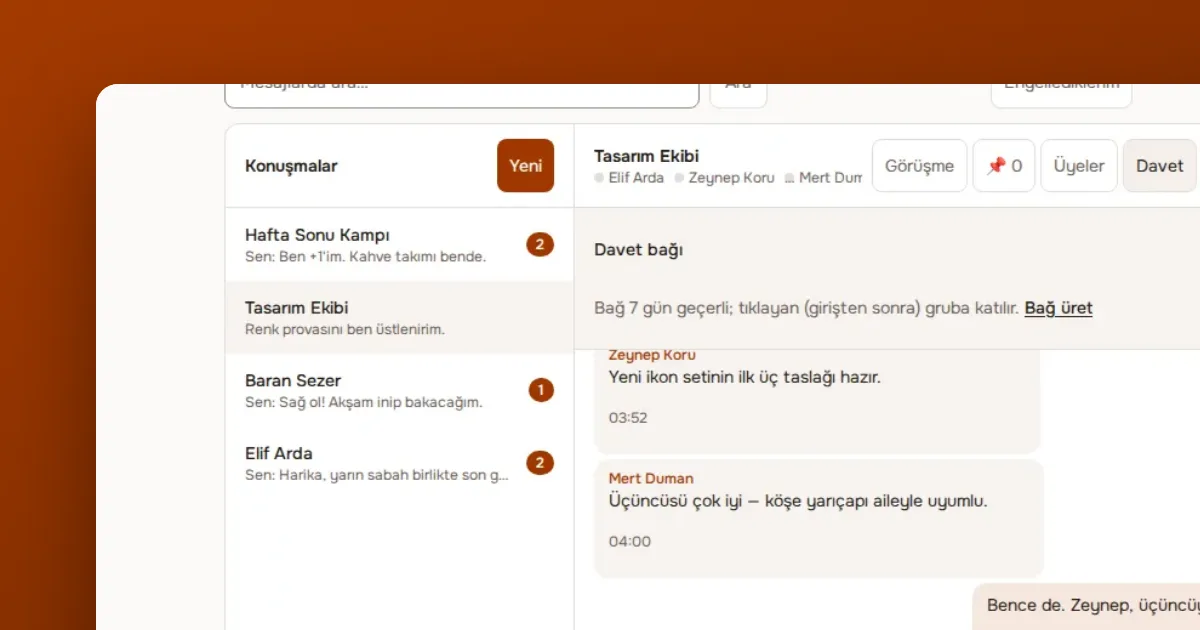
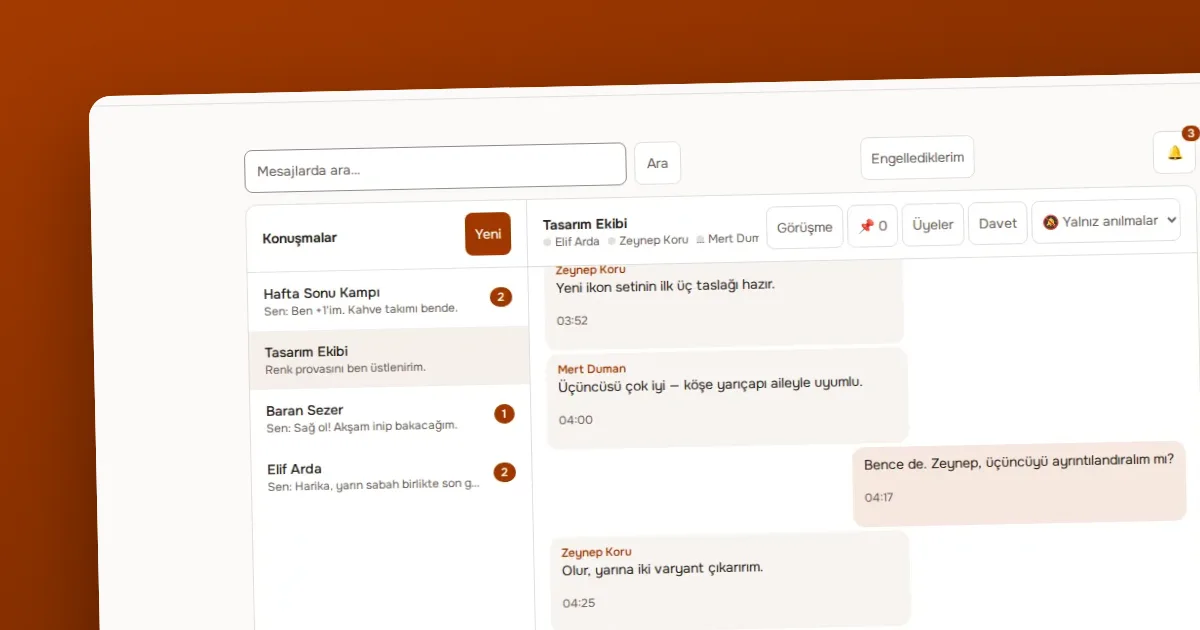
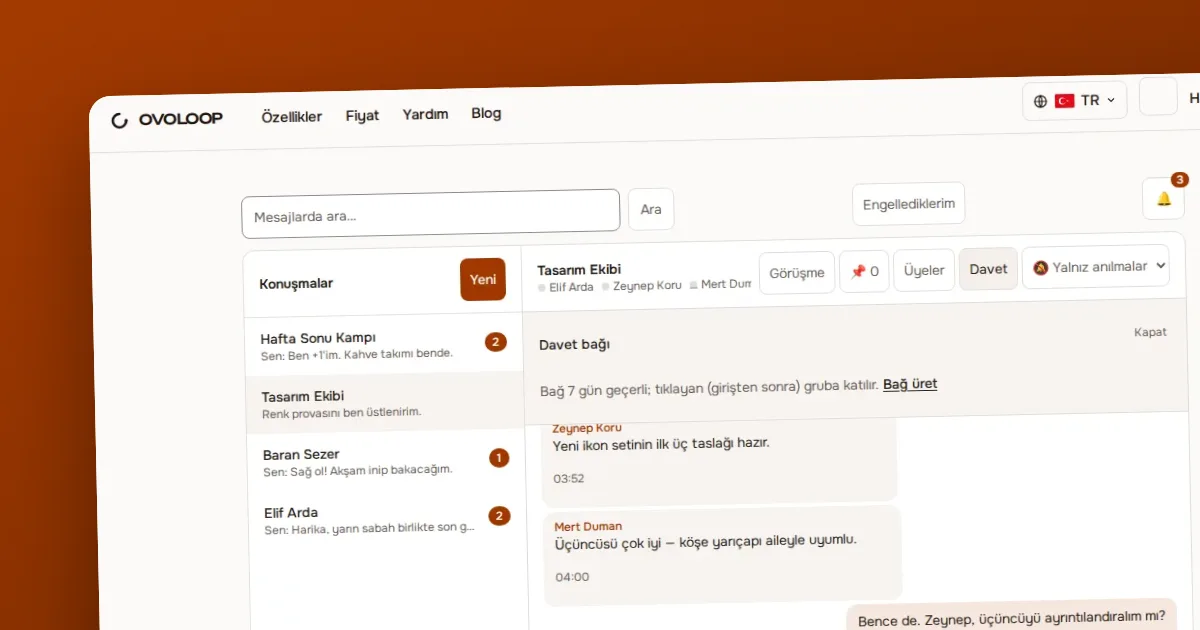
Team chat: Conversation flows in channels and groups; it is fast, and reactions and pinned messages bring order. Its weakness is information getting lost in the flow and the need for everyone to be on the same tool.
Comparison table
| Criterion | Team chat (OVOLOOP) | Email |
|---|---|---|
| Speed | Instant; someone types and a reply comes | Delayed, threaded |
| Who you can reach | People in the same workspace or invited | Anyone |
| Formality | Low | High |
| Topic order | Channels and groups | Subject lines and folders |
| Notification control | Per conversation: every message, mentions only, none | Depends on the client |
| Files | Attached to a message; up to 10 files, each 10 MB | Attachment; the provider sets the limit |
| Search | Within a conversation and global | Depends on the client |
| Retention | Selectable in a company workspace (30–730 days) | Depends on the provider |
| Administration | Roles, silencing, bans, reports | Admin panel |
| An outsider | Added as a guest | Their address is enough |
When is team chat right?
- Daily coordination: "who is picking this up, what time is the meeting?"
- Quick questions and answers and small decisions.
- Continuing conversations split by topic: project channels.
- Announcements: a channel only moderators can write in puts forward what everyone must see.
- Building a small knowledge base with pinning and saving of messages.
When is email right?
- Correspondence with an outside client, supplier or institution.
- Formal notices, offers, contracts: anything whose record must be permanent and documentable.
- Cases where the other side is not on the same tool or does not want to be.
- Long, structured texts that will be passed from one place to another.
What does team chat not do?
To be honest: OVOLOOP is a messaging product for people, teams and communities; it does not replace email. You do not have your own address; someone outside cannot write to you without an OVOLOOP account. A mention sends a notification email, but that is not an inbox; email announcements are not a product feature. There is also no task feature tied to a work management tool. These gaps keep the product focused, and if you need them you need another tool.
How do I use the two together?
A practical split: internal coordination and quick questions go in team chat, everything external and formal goes by email. If an important decision is made in chat, write it up as a short summary to the people concerned by email, so the decision does not get lost in the flow and is recorded. Conversely, summarise in chat something that arrived by email and that the team must see; instead of forwarding a long thread, a one-sentence summary and a link are enough.
Cost and switching
In OVOLOOP direct messages and groups are free; team features such as channels, domain-based joining, guests, retention and export are in the Business plan, priced per seat. For current prices see the product's pricing page; we give no figure here. When switching, tell the team the rule from the start: if it is not clear what lives in chat and what in email, you get mess in both channels.
A short list for deciding
- Is the other side inside our team? If yes, chat.
- Do we need a record and formality? If yes, email.
- Is an immediate reply expected? If yes, chat; if not, either works.
- If unsure, start with chat and record important decisions by email.
Ready? Try OVOLOOP.